
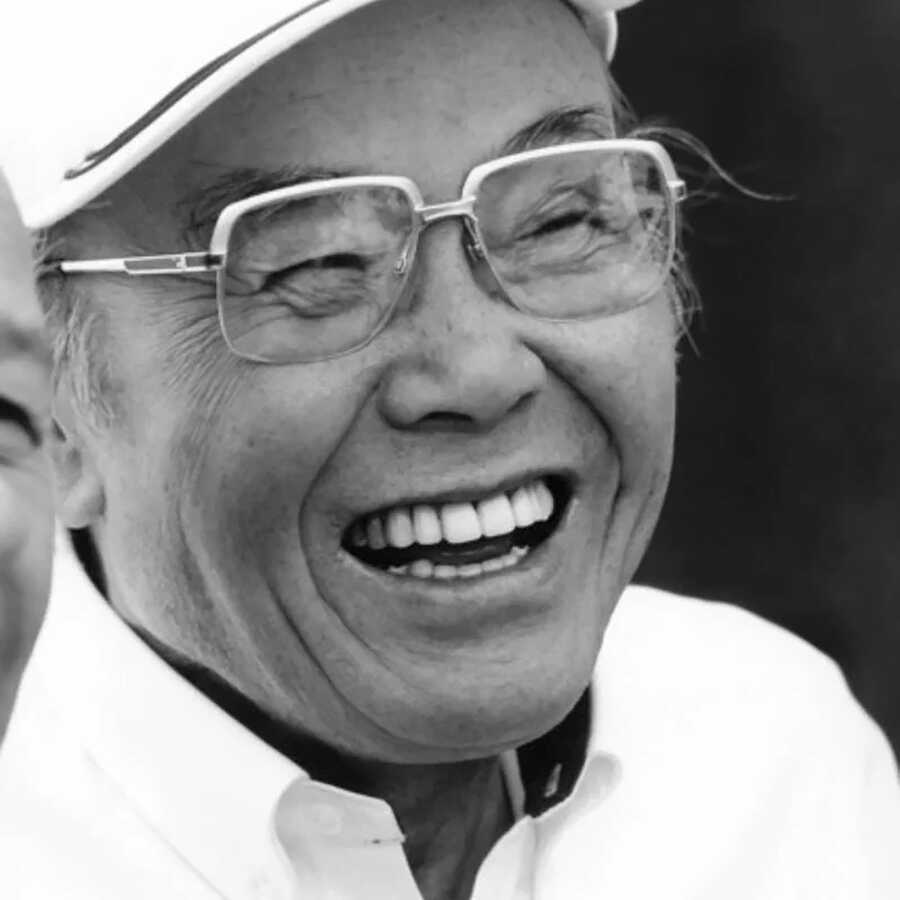
“If you hire only those people you understand, the company will never get people better than you are”. Soichiro Honda — Founder of Honda
For some of us, performance and values are still aligned. We know why we lead, and that “why” shows up in our decisions. For others, the constant pressure to deliver—to hit the numbers, satisfy stakeholders, and stay competitive—can slowly blur the foundation we once stood on. Wherever you are today, the opportunity to pause, reflect, and course-correct is always within reach.
In today’s world, we navigate in a space obsessed with short-term results. Metrics, margins, and quarterly earnings dominate the conversation. And while margins and wins matter, they can quietly pull our focus away from the people who, not surprisingly, deliver the outcomes. When leadership becomes merely transactional, we do not just lose connection—we diminish our long-term impact. Leadership is not only about what we produce; it is about who we become and how we guide others along the way. It is embedded in everyday moments: how we listen, where we invest our energy, and the standards we refuse to compromise.
Our role is not to untangle every problem—it is to solve the problems only we can solve. There is a significant difference between working in the team and working on the team, and knowing when to step back is just as important as knowing when to lean in.
Whether you are riding momentum or sitting in a season of reflection, consider this an invitation to realign the strategy of leadership with its purpose. Purpose-led success does not come from choosing people or performance—it comes from valuing both.
Put people in alignment with outcomes. Build trust before seeking results. Pay attention to growth and progress, not just final numbers. Culture is not shaped in big announcements or wins—it is strengthened in the quiet, consistent moments when no one is watching. Potential is not something to exploit; it is something to steward. Every person you lead is, in some way, a mirror of your leadership.
Remember to lead with legacy in mind. Ask yourself: Because of my leadership, will the people I lead be more confident, capable, and more fulfilled long after I’ve moved on?
When we look back—on the wins and the losses, the pressure, and the privilege—we are reminded that leadership is conditional, but influence lasts. Titles change. Roles evolve. What endures is how people experienced us.
In the end, leadership is not defined by scorecards or accolades alone. It articulated by the lives and careers shaped through our presence. It is about people. It is about trust. And it is about how our integrity, empathy, and foresight continue to resonate through the organizations and individuals we were entrusted to lead.
Brian Nadon
Learn, Unlearn, and Relearn
 Don’t Let Your Past Kill Your Future